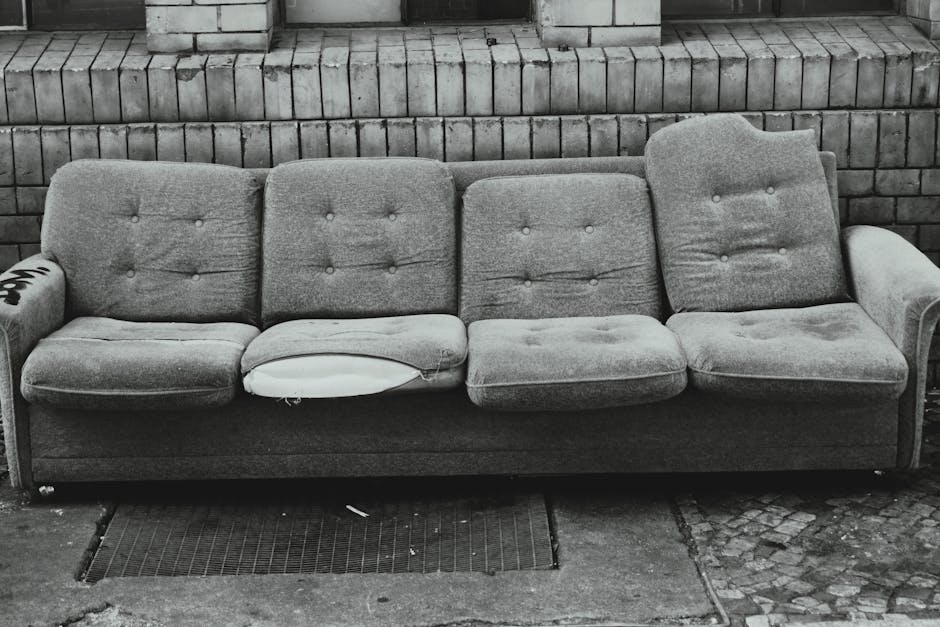
W9 Mattress & Sofa Emergency Pickups: What to Expect
If you need a mattress or sofa removed quickly in W9, the last thing you want is guesswork. You want to know who is coming, how fast they can arrive, what they'll do with bulky furniture, and whether the whole thing will turn into a half-day headache. This guide to W9 mattress & sofa emergency pickups: what to expect walks you through the process in plain English, so you can make a calm, sensible decision even if the problem feels urgent.
Emergency pickup usually means same-day or next-available collection for bulky items that can't wait: a water-damaged mattress, a sofa blocking access after a move, a rental turnover deadline, or furniture that's simply too awkward to keep around. In practice, the best service is the one that is quick, careful, and clear about pricing. Not dramatic. Just efficient. And, honestly, that's what most people need.
In the sections below, you'll see how an emergency collection normally works, what affects timing and cost, what to prepare before the team arrives, and how to avoid the little mistakes that can slow everything down. If you're trying to balance speed with trust, that's exactly what this article is for.
Why W9 mattress & sofa emergency pickups: what to expect Matters
When a bulky item needs removing quickly, the pressure usually isn't just physical. It's timing pressure. Maybe you've got a letting agent due to arrive after lunch, or a delivery team coming tomorrow morning and the old sofa is in the way. Maybe the mattress has been damaged, smells damp, or has been left in a hallway where it's becoming an obstacle. Whatever the reason, emergency pickup matters because delays spread. One awkward item can affect access, cleaning, inspections, and even moving plans.
W9 has the usual West London mix of residential streets, flats, shared entrances, and parking restrictions. That means a fast response is useful, but so is a team that understands building access, loading points, and the reality of narrow stairwells. If you've ever tried turning a three-seater sofa around a tight corner, you'll know exactly what I mean. It is not a fun hobby.
There's also the trust factor. Emergency requests are when people are most likely to rush, accept vague promises, or forget to ask what happens next. A good service should be clear about arrival windows, item access, disposal route, and any extra charges that may apply if the job turns out to be more complex than expected.
For customers who want an accountable, well-organised approach, pages like the about us, insurance and safety, and health and safety policy sections help show how a provider handles risk, care, and responsibility.
How W9 mattress & sofa emergency pickups: what to expect Works
In most cases, the process is simple on paper and slightly messy in real life. You make contact, explain what needs collecting, share access details, and request the fastest available slot. The provider then checks whether the item can be collected safely, what crew size may be needed, and whether the job fits into the day's route.
A same-day or emergency booking usually follows this pattern:
- Initial enquiry: You describe the item, location, and urgency.
- Quick assessment: The team checks access, size, and likely handling needs.
- Quote or estimate: You receive pricing information based on the specifics.
- Arrival window: A time frame is confirmed rather than an exact minute, because traffic and prior jobs can shift the schedule.
- Collection: The crew removes the mattress, sofa, or both, then loads them for transport.
- Sorting and disposal: Items are routed for reuse, recycling, or responsible disposal where possible.
That sounds straightforward, and often it is. But the details matter. For example, a sofa from a ground-floor flat with easy roadside access is a different job from a heavy divan in a top-floor apartment with no lift. The clearer you are at the start, the more accurate the service can be.
If you're comparing providers, check whether their pricing and quotes guidance explains what's included. That tends to save a lot of back-and-forth later. Truth be told, a slightly slower quote that is honest is better than a fast one that grows extra bits halfway through.
Key Benefits and Practical Advantages
The obvious benefit is speed. But there's more to it than that. A well-run emergency pickup should reduce stress, protect access routes in the property, and prevent bulky waste from becoming an issue for neighbours, landlords, or building managers.
Here are the main advantages people usually care about:
- Fast clearance: Ideal when time matters, such as before a move, check-out, or delivery.
- Less disruption: Good teams work around stairways, hallways, parking, and shared entrances without creating chaos.
- Safer handling: Mattresses and sofas are bulky, awkward, and easy to damage walls with if handled badly.
- Better organisation: A booked pickup beats last-minute DIY decisions when you're already busy.
- Environmentally better outcomes: Reuse and recycling are often possible, depending on condition and material type.
- Clearer compliance: Professional removal helps avoid fly-tipping, unsafe storage, or improper disposal.
One thing people often overlook is the relief factor. Once the item is gone, the room feels different immediately. You notice the space, the light, the silence. Small thing, but it matters when a sofa has been sitting there for weeks like an unwanted guest.
For readers who want a provider aligned with reuse and diversion from waste streams where possible, the recycling and sustainability page is worth a look. It helps set expectations around responsible handling rather than "out of sight, out of mind."
Who This Is For and When It Makes Sense
Emergency mattress and sofa pickup in W9 is useful for a broad mix of situations. It is not only for people in crisis, though it can certainly feel like that at the time.
This service tends to suit:
- Tenants at the end of a tenancy who need bulky furniture removed before inspection.
- Landlords and letting agents dealing with abandoned items or quick turnarounds.
- Homeowners replacing damaged furniture after a move, leak, or refurb.
- People downsizing who need large items gone before a new layout is set.
- Offices or serviced apartments needing a fast furniture changeover.
- Anyone without a van, lift access, or lifting help who simply cannot do it themselves.
It also makes sense if the item is awkward or unpleasant to keep. A soaked mattress, a broken sofa with exposed springs, or a piece that has become impossible to move safely should be dealt with quickly. No point pretending otherwise.
There are also situations where emergency pickup is the smarter choice compared with leaving the item outside and hoping for the best. If the furniture is on a busy street, in a shared entrance, or in a place where it could block access, a planned collection is usually safer and cleaner.
Step-by-Step Guidance
If you want the smoothest possible pickup, a little preparation goes a long way. You do not need to stage the room like a showroom. Just make access clear and give accurate information. That alone solves a surprising number of problems.
1. Identify exactly what needs removing
Be specific: is it a double mattress, a sofa bed, a corner sofa, or a sofa plus cushions and a bed frame? Note whether the item is bulky but light, or simply heavy and awkward. If there are multiple pieces, say so upfront. This helps the crew decide whether they need one or two people, or perhaps more.
2. Check access before booking
Think about stairs, lifts, door widths, parking, loading bays, and any building rules. If you're in a flat, mention whether there's a lift and whether it's working. If access is tight, say that clearly. It saves time, and it may prevent a failed arrival.
3. Share the condition honestly
Is the sofa intact, broken, damp, infested, or very dirty? There's no need to be embarrassed. The team needs the truth to plan safe handling and disposal. A mattress with a strong odour or visible contamination may need different handling from a clean but unwanted one.
4. Ask about timing and arrival windows
For emergency pickups, you'll usually be given a same-day or next-available slot rather than a precise minute. That's normal. Ask how the provider updates customers if traffic or an earlier job causes a delay.
5. Confirm pricing before the team leaves
Make sure you understand what the quote includes. Does it cover labour, transport, disposal, and VAT if applicable? Are there extra charges for difficult access, stairs, or extra items? This is the part people regret skipping.
6. Clear a path to the item
Move smaller objects, lamp stands, shoes, plant pots, laundry baskets, all the little trip hazards. If the team can walk straight to the item and back out again, the job is usually quicker and safer.
7. Be present if possible
You do not need to hover, but someone should be available to confirm the item, approve the collection, and answer questions. If you can't be there, arrange clear instructions in advance.
Practical note: if the item is in a shared building, tell neighbours or management where relevant. A five-minute heads-up can prevent a lot of awkwardness in the hallway.
Expert Tips for Better Results
Here's the thing: the best emergency pickups rarely feel "emergency" by the time the team arrives. They feel organised. That comes down to a few simple habits.
- Photograph the item before booking. Not for drama, just clarity. A quick image helps avoid confusion about size or condition.
- Measure doorways if you suspect a squeeze. A sofa that fits visually may still catch on a narrow turn.
- Separate detachable parts. Removable feet, cushions, or headboards can reduce handling hassle.
- Tell the provider about parking realities. W9 streets can be tight. If parking is awkward, say so early.
- Book sooner than you think you need to. If the deadline is tomorrow morning, don't wait until tonight and hope traffic will be kind. It probably won't.
- Keep pets and children out of the route. A moving sofa is not something you want in a busy family corridor.
And a small but useful one: if you're having a full room clear, keep the mattress and sofa separate from items you want to retain. In a rushed moment, similar-looking pieces can get mixed up. It happens more than people admit.
If you're weighing up whether to proceed, the provider's contact us page should make it easy to ask a quick question and get moving without endless form-filling.
Common Mistakes to Avoid
Most problems with urgent furniture pickups come from missing details, not bad service. A few avoidable mistakes crop up again and again.
- Under-describing the item: Saying "just a sofa" is not enough if it's a heavy corner unit with a chaise extension.
- Forgetting access restrictions: A second-floor flat with no lift is not the same as ground-floor collection.
- Assuming the quote is fixed for every scenario: If the item changes, the price may too.
- Leaving the item behind locked doors or in inaccessible rooms: The crew can't remove what they can't reach.
- Leaving loose rubbish mixed with the furniture: That often slows the job and can affect pricing.
- Trying to move heavy items yourself at the last minute: It's an easy way to strain your back or chip a wall. Not worth it.
Another common issue is timing panic. A lot of people say "as soon as possible" but do not share the exact deadline. If you need the sofa gone before 11am, say so. If the mattress must be removed before cleaners arrive at 2pm, say that too. Clear deadlines make planning easier.
One more thing, and it sounds obvious: don't leave a bulky item on the pavement unless you are certain it can be collected legally and safely. In most cases, that is just asking for trouble.
Tools, Resources and Recommendations
You do not need specialist equipment to prepare for a pickup, but a few household basics help:
- Measuring tape for checking widths, stair corners, and lift dimensions.
- Phone camera for sending item photos during the quote stage.
- Sticky notes or tape to mark the item if several pieces are being removed.
- Gloves if you are shifting small loose items beforehand.
- Torches if the item is in a dim loft, cellar, or storage area.
For service-related reassurance, useful pages on the site include insurance and safety, which explains how the provider approaches care and protection, and payment and security, which is helpful if you want to know how transactions are handled. Small details, but they matter when you're booking quickly and want to feel settled about who you are dealing with.
If you are comparing options, look for clear answers to these questions: Do they offer emergency slots? Do they explain what happens if access is restricted? Do they confirm where the furniture is likely to go after collection? Good operators are usually not shy about answering. That's a good sign.
Law, Compliance, Standards, or Best Practice
For mattress and sofa removal, the main concern is responsible handling. In the UK, bulky household items should not be fly-tipped or left in a way that creates risk or obstruction. The practical expectation is simple: items should be removed safely, transported properly, and directed towards lawful disposal, reuse, or recycling routes where appropriate.
If a provider is working in shared residential buildings or narrow access areas, best practice includes:
- careful lifting and carrying techniques,
- protecting walls, floors, and door frames where possible,
- keeping escape routes and communal areas clear,
- using appropriate vehicles and loading methods,
- being honest about what can and cannot be collected safely.
This is also where insurance matters. A professional service should be able to explain how they manage risk on-site. For that, the terms and conditions and health and safety policy pages help set expectations. They won't solve a blocked stairwell, obviously, but they do show the operating standard behind the visit.
On the environmental side, responsible services will usually separate reusable and recyclable materials where practical. Mattresses and sofas can be complicated because of mixed materials, upholstery, wood, foam, and metal components. So the best outcome is not always obvious at a glance. That's why a clear, responsible disposal route is more trustworthy than vague promises.
Options, Methods, or Comparison Table
Different situations need different approaches. Here's a simple comparison to help you decide what makes sense.
| Option | Best for | Pros | Limitations |
|---|---|---|---|
| DIY removal | Very light items, easy access, own vehicle | Can be inexpensive if you already have transport | Time-consuming, physically hard, disposal rules still apply |
| Wait for standard booking | Flexible timings and non-urgent clearances | May suit planned clear-outs | Not suitable if you have a deadline or access issue |
| Emergency pickup | Urgent removals, end-of-tenancy deadlines, blocked access | Fast, convenient, reduces disruption | Often depends on availability and access conditions |
For most W9 residents dealing with a bulky mattress or sofa under time pressure, emergency pickup is the most practical choice. DIY sounds simple until you're halfway down the stairs and the item has developed a stubborn angle of its own. Then it becomes very less simple.
Case Study or Real-World Example
Here's a realistic scenario. A tenant in W9 gets an email from the letting agent on Thursday afternoon: the sofa in the living room needs to be removed before a cleaner and inventory clerk arrive the next day. The sofa is a two-piece corner unit, the property is on the first floor, and parking outside is limited. There is no lift, and the hallway is narrow.
In that situation, the best outcome comes from clear communication. The tenant sends photos, notes the floor level, mentions the tight stair turn, and says the item must be gone before Friday lunch. The provider checks whether two crew members are enough, confirms the likely arrival window, and explains whether there may be an access-related adjustment to the price. The item is then removed in one visit, without panic, and the flat is ready on time.
That's the difference between a stressful last-minute scramble and a managed emergency pickup. The job still feels urgent, sure, but it stops feeling chaotic.
Another common real-world example is a damp mattress after a leak. People sometimes leave that too long because they are embarrassed or unsure what to do with it. But moisture, smell, and staining are exactly the sort of issues that should be handled quickly, before they become harder to live with. No drama. Just deal with it early.
Practical Checklist
Use this quick checklist before the team arrives:
- Confirm exactly which mattress or sofa is being removed.
- Send photos if requested or useful.
- Check doorways, stairs, lifts, and parking access.
- Make sure the item is reachable.
- Remove loose cushions or small extras if needed.
- Clear the walkway to the exit.
- Keep pets and children away from the route.
- Confirm the arrival window and any contact updates.
- Check the quote and ask about possible extras.
- Prepare payment details if required by the provider.
Quick tip: if you're in a rush, focus on access first. Most collection delays come from access problems, not the furniture itself.
Conclusion
W9 mattress and sofa emergency pickups are really about reducing pressure when time is tight. The best experience is fast, clear, and safe. You tell the provider what needs removing, give honest access details, confirm timing and cost, and let a proper crew handle the awkward lifting. Simple in theory, but incredibly useful when a bulky item is in the wrong place at the wrong time.
What should you expect? A short assessment, a realistic arrival window, careful removal, and responsible disposal. What should you avoid? Vague descriptions, last-minute surprises, and assuming all pickups work the same way. They don't. The more specific you are, the smoother everything tends to go.
If you're trying to clear space quickly and would rather have the job handled properly than wrestle a sofa up the stairs yourself, that's a very sensible instinct. Sometimes the best decision is just the clean, practical one. And then you can get on with your day.
Get a free quote today and see how much you can save.
Frequently Asked Questions
What counts as an emergency mattress or sofa pickup in W9?
It usually means a same-day or next-available removal for an item that cannot wait, such as a blocked access route, a tenancy deadline, or damaged furniture that needs clearing fast.
How quickly can a pickup usually happen?
That depends on availability, location, and access. Emergency bookings are often arranged for the same day or the soonest possible slot, but traffic and route planning can affect timing.
Do I need to move the mattress or sofa outside first?
No, not usually. In most cases, the crew removes the item from inside the property. You should only make it accessible and clear the path if you can do so safely.
Will the price change if access is difficult?
It can. Stairs, tight turns, lift issues, or unusual handling requirements may affect the final price, so it is best to explain access details before booking.
Can a sofa bed or corner sofa be collected as an emergency pickup?
Yes, if the provider is equipped for it and you describe the item accurately. These pieces can be heavier or more awkward than a standard two-seater, so good detail matters.
What happens to the items after collection?
That depends on condition and material. Where possible, items may be routed for reuse, recycling, or responsible disposal. A good provider should be transparent about this.
Can I book if I am not at the property?
Sometimes, yes, if clear instructions are arranged in advance. That said, someone being present is usually the simplest option, especially if access is tricky.
Is it safe to leave a mattress or sofa in a hallway until pickup?
Only if it does not block exits or create a hazard. Shared areas should stay clear, and bulky items should not become an obstruction for neighbours or building users.
What should I tell the provider before they arrive?
Give the item type, quantity, access details, floor level, parking notes, condition, and your deadline. A few extra details at the start can save a lot of trouble later.
Do I need to sort the item into parts before collection?
Not usually, but if cushions or detachable legs can be removed easily, that can make handling simpler. Never force parts off if it risks damage or injury.
What if my mattress is damaged, wet, or very dirty?
Tell the provider honestly. Condition affects handling and disposal, and it may influence the service approach. The main thing is to be clear rather than trying to gloss over it.
Where can I find more information before booking?
You can check the site's pages on pricing and quotes, insurance and safety, and complaints procedure if you want to understand how the service is structured and what support exists if something needs to be raised.
What is the biggest mistake people make with urgent furniture removal?
Usually it is under-explaining the job. A mattress or sofa can look simple, but access, size, and timing often determine how smoothly the pickup goes. Clear information is the real shortcut.
For a calm, well-handled removal, the goal is simple: clear the item, reduce stress, and make the rest of your day easier. That, to be fair, is worth a lot.