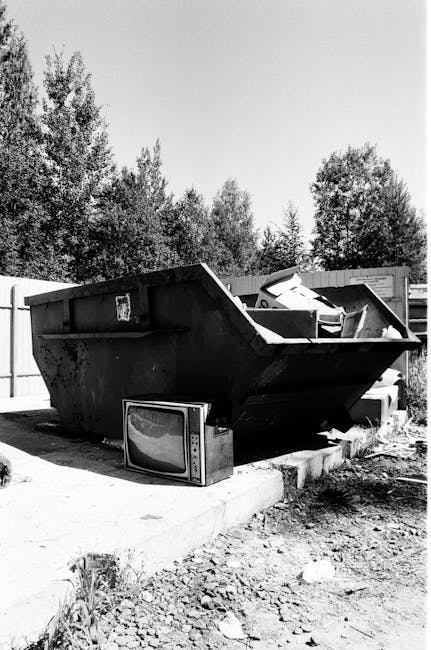
W9 council skip permits, fines and disposal rules: a practical guide for safer, legal skip hire
If you are arranging a skip in W9, the paperwork can feel like the boring bit right up until it suddenly matters a lot. One minute you are clearing a flat, a house, or a building site; the next you are wondering whether the skip can sit on the road, who needs the permit, what happens if the council says no, and how easily fines can stack up if disposal is handled badly. That is exactly where this guide on W9 council skip permits, fines and disposal rules comes in.
In plain English, this is about using a skip legally, avoiding unnecessary penalties, and making sure the waste ends up where it should. We will walk through the permit process, common fines, disposal expectations, best practice, and the small details people often miss. If you are comparing waste options for a larger clearance, you may also find our pages on waste removal and builders waste clearance useful later on.
Key takeaway: if a skip will go on a public road in W9, do not assume it is automatically allowed. Check permit requirements first, understand what can and cannot go in the skip, and keep an eye on duty-of-care responsibilities all the way through disposal.
- Why W9 council skip permits, fines and disposal rules matter
- How the permit and disposal process works
- Key benefits and practical advantages
- Who this is for and when it makes sense
- Step-by-step guidance
- Expert tips for better results
- Common mistakes to avoid
- Tools, resources and recommendations
- Law, compliance, standards and best practice
- Options and comparison table
- Case study or real-world example
- Practical checklist
- Frequently asked questions
Why W9 council skip permits, fines and disposal rules Matters
Skip hire looks simple from the outside. You book a container, fill it, and have it taken away. Easy, right? Well, not quite. In a busy area like W9, the practical reality is that skips often need to sit on a highway, close to parked cars, narrow streets, or shared residential access. That is where permit rules come in. If the skip is on private land, the process is usually easier. If it is on a public road, the rules become more important, and the risk of penalties goes up if anything is overlooked.
The most common problem is not the skip itself. It is the assumption that "someone else will sort it." Council requirements, waste carrier responsibilities, and correct disposal all overlap. Miss one piece, and you can end up with avoidable costs, delays, or even a lifted skip. Truth be told, it is one of those jobs where five minutes of planning can save you a proper headache later.
These rules matter for homeowners, landlords, businesses, builders, and anyone clearing bulky waste. They also matter because illegal dumping, contamination, and misplaced waste can lead to enforcement action. Even when there is no deliberate wrongdoing, a badly handled skip job can still cause a fine or a dispute. Nobody wants that, especially when you are already dealing with dust, traffic, and the smell of old furniture sitting in the rain.
There is also a reputational angle. For businesses, good waste handling reflects on professionalism. For households, it is about peace of mind and keeping the street tidy. For project managers, it is about keeping the work moving. Small detail, big effect.
How W9 council skip permits, fines and disposal rules Works
At a practical level, the process usually breaks into three parts: permission to place the skip, correct use while it is in place, and proper disposal after collection. Those three bits sound obvious, but each one has a few traps.
1. Deciding where the skip will go
If the skip sits entirely on private property, such as a driveway or private yard, a council permit may not be needed. If it will go on the road, pavement, or another public area, a permit is typically required. That is the first decision to make, because everything else follows from it.
In W9, road space can be tight, and access for residents, emergency services, and delivery vehicles has to be considered. Councils tend to care about visibility, safe placement, and whether the skip will obstruct movement. That means reflective markings, lights, and placement rules may all matter. A skip placed awkwardly is asking for trouble. Not always immediately, but enough to become one of those things you keep noticing every time you pass it.
2. Understanding who applies for the permit
In most cases, the skip provider arranges the permit or helps with the process, but the customer should never assume this without checking. Some companies include permit handling in the quote; others treat it as an added step. If you are organising waste for a renovation or office clear-out, ask directly who is responsible for the application and whether the timeline allows for approval.
For larger or more complex jobs, a business-focused approach often works better. If you are handling recurring waste streams, it may be worth looking at business waste removal rather than treating everything as a one-off skip job. It is often cleaner from a compliance point of view, and less faff overall.
3. Knowing what can go in the skip
Disposal rules are where people trip up most often. General household waste, wood, metal, rubble, and certain bulky items are usually fine depending on the skip type and provider rules. But hazardous items are different. Things like chemicals, paint tins, asbestos, gas cylinders, batteries, tyres, fridges, and some electrical items usually need separate handling. Some of these are restricted for safety reasons, and some for environmental reasons.
Putting prohibited waste in the skip can lead to additional charges, refusal of collection, or problems at the disposal facility. The skip operator may inspect the load, and if it has been contaminated, they can charge for sorting or rejection. That is not the sort of surprise anyone wants after a long weekend of clearing out a garage.
4. What fines tend to relate to
When people talk about skip fines, they usually mean one of several things:
- placing a skip without the correct permit
- overfilling the skip so it becomes unsafe to move
- disposing of banned or hazardous waste
- causing obstruction or unsafe placement
- failing to use a properly licensed waste carrier
Some penalties are council-related, while others are commercial charges from the waste contractor. It helps to separate those two. A council may enforce road or permit issues, while the provider may charge for extra sorting, contamination, or non-compliant waste. Different root cause, same unpleasant bill.
Key Benefits and Practical Advantages
Getting the permit and disposal side right is not just about avoiding trouble. There are real practical advantages too.
- Fewer delays. A correctly placed, permitted skip is less likely to be challenged or removed.
- Lower risk of added charges. When waste is sorted properly, collection and disposal are smoother.
- Better site safety. Safe placement reduces the chance of accidents, complaints, or blocked access.
- Cleaner project management. Your job runs more predictably when waste does not become the bottleneck.
- Improved compliance. You are less likely to breach duty-of-care expectations or waste handling rules.
- Less stress. Honestly, that alone is worth a lot on a busy week.
If you are clearing out a property, that can be especially helpful. A packed skip is only one part of the job. You still need the right disposal path for furniture, mixed waste, and anything that cannot legally go into a standard container. For those situations, pages like house clearance and home clearance can be a better fit than trying to manage everything yourself.
There is another benefit people overlook: neighbours complain less when the skip is tidy, permitted, and collected on time. A clean street is a calmer street. Simple as that.
Who This Is For and When It Makes Sense
This guidance is relevant if you are a homeowner, landlord, tenant with permission, tradesperson, builder, or office manager. Basically, anyone who expects to generate more waste than the usual bin can cope with. If the job is small and private, you may not need a skip at all. But if you are clearing a loft, kitchen, garden, office, or renovation debris, a skip or mixed waste collection can make life easier.
It makes especially good sense when you have a lot of bulky or mixed material. A few examples:
- ripping out old kitchen units and flooring
- clearing post-tenancy furniture and bagged waste
- removing soil, branches, and garden rubbish
- dealing with office furniture during a move
- disposing of builders' rubble after a small renovation
For lighter or more furniture-heavy clearances, other service types may be more efficient. For example, a mix of sofas, tables, and wardrobes is often better handled through furniture clearance or furniture disposal than with a skip full of mixed waste.
If your waste comes from a business premises, the question is not just "can I use a skip?" but "is this the most sensible way to manage commercial waste?" In many cases, the answer depends on frequency, volume, and whether you need a documented disposal trail.
Step-by-Step Guidance
Here is the practical version. No jargon, no fluff.
- Confirm whether the skip will be on private land or the highway. This is the key split. Private land usually avoids the permit issue; public placement usually does not.
- Check the local permit requirement early. Do this before the delivery date. Councils and providers need time, and last-minute bookings can be awkward.
- Choose the right skip size. Too small and you will need a second one. Too large and you may pay for space you never use. Neither feels great.
- Ask what waste is accepted. Do not assume every skip accepts the same materials. Waste type matters, especially for plasterboard, electricals, or restricted items.
- Plan the load. Put heavier material at the bottom and keep the fill level safe. Overfilled skips can become unsafe to transport.
- Keep access clear. Drivers need room to drop off and collect the skip without damaging pavements, cars, or nearby property.
- Separate prohibited items. If in doubt, set aside anything potentially hazardous and ask before loading it.
- Get confirmation of disposal arrangements. A proper operator should be able to explain where waste will go and how it is handled.
- Collect documents or proof where relevant. For business use, this may include invoices, transfer paperwork, or other records.
- Book collection on time. Do not let a skip sit longer than needed. The longer it stays, the more likely it is to attract complaints or enforcement attention.
A little organisation goes a long way here. One project I remember involved a cramped residential street, a late delivery, and a neighbour who had already parked a car "just for five minutes" in the exact spot needed. You can guess how that went. The waste wasn't the problem; timing was. Timing usually is.
Expert Tips for Better Results
After enough jobs like this, a few habits stand out.
- Separate waste before the skip arrives. It speeds everything up and makes it easier to avoid banned materials.
- Ask about permit lead times. Even if the skip hire itself is quick, the permit may not be.
- Be realistic about waste volume. People often underestimate how much space broken furniture, plaster, or packaging takes up.
- Use a compliant waste provider. That matters more than a rock-bottom price, especially if you need proof of lawful disposal.
- Consider the site layout. Narrow access, low trees, parked cars, and soft ground can all change the safest option.
- Keep a short list of restricted items nearby. It sounds basic, but having a printed list stops people from tossing in the wrong thing when the job gets busy.
If the job involves a loft, garage, or full property, planning the waste stream in stages can save money. Start with the bulky items, then the mixed rubbish, then the final sweep. That approach is especially useful for loft clearance and garage clearance jobs, where the first few loads are often the messiest.
And yes, one slightly unglamorous tip: check the weather. Rain makes cardboard collapse, soil heavier, and everyone just a bit more impatient. A dry morning beats a soggy afternoon, every time.
Common Mistakes to Avoid
The same mistakes come up again and again. They are easy to make, which is exactly why they are worth spelling out.
- Assuming no permit is needed. If the skip is on a public road, never guess.
- Filling above the top edge. That can make transport unsafe and may lead to extra charges or a refusal to collect.
- Mixing hazardous waste with general waste. This is one of the fastest ways to create a problem.
- Booking the skip before checking access. A delivery truck needs practical room to work.
- Ignoring weight limits. Heavy waste like rubble can cause issues even when the skip looks only half full.
- Not telling the provider about special waste. Transparency is better than awkward surprises later.
- Leaving the skip longer than agreed. Time on street means more exposure to complaints and enforcement.
Another mistake is treating a skip as a universal fix. Sometimes it is perfect. Sometimes it is not. For example, if you are clearing office furniture and document-heavy waste, an office-focused collection may be a better match than a mixed skip. That is where office clearance and business waste removal can make better operational sense.
Tools, Resources and Recommendations
You do not need a complicated toolkit, but a few simple items make the whole job smoother.
| Tool or resource | Why it helps | Best used for |
|---|---|---|
| Waste sorting boxes | Keeps recyclable, reusable, and restricted items apart | Pre-clearance preparation |
| Tape measure | Helps estimate skip size and access width | Planning delivery space |
| Basic gloves and sturdy footwear | Improves safety during loading | Manual handling |
| Checklist or job sheet | Reduces mistakes and forgotten items | Team jobs and larger clearances |
| Photo record of the site | Useful if access or placement is disputed | Pre-delivery planning |
From a service perspective, it is worth choosing the right disposal route for the material you actually have. A garden tidy-up is not the same as an internal strip-out, and a garage full of mixed junk is not the same as a few bulky chairs. For outside waste, garden clearance can often be more efficient than forcing everything into one skip. For interiors, flat clearance or house clearance may be the cleaner path.
One practical recommendation: ask for clarity on pricing and what is included before you commit. Permit handling, collection timing, and waste type restrictions can all affect the final figure. If you want a clear starting point, the company's pricing and quotes page is a sensible place to look before booking anything.
Law, Compliance, Standards, or Best Practice
Without getting tangled in legal jargon, the core principle is straightforward: waste must be managed safely and passed to an authorised route. In the UK, that usually means using a properly licensed carrier and keeping waste separated from anything that could contaminate it or create a hazard. If a skip is placed on public land, permission requirements come into play too. Councils can impose conditions around placement, duration, visibility, and safety features.
For businesses, compliance expectations are generally stricter because the waste can involve record-keeping and duty-of-care responsibilities. That does not mean a homeowner can be casual about it. It just means the paperwork burden is usually heavier for commercial customers. If you run a company or manage a site, you should be able to explain where the waste came from, who removed it, and where it went. That is the sort of thing that saves stress if questions are ever raised later.
Best practice also includes:
- keeping waste streams as separate as practical
- avoiding overfilling
- not mixing general waste with hazardous materials
- using a provider that can explain its disposal process clearly
- checking site safety before delivery and collection
If your project also involves manual moving, stair carries, or heavy lifting, safety matters even more. It is worth reviewing health and safety policy and insurance and safety information so you understand how risks are managed before work begins.
Options, Methods, or Comparison Table
Not every waste job needs the same solution. Sometimes a skip is the right fit. Sometimes a collection service or a clearance service is cleaner, faster, or safer. Here is a simple comparison.
| Option | Best for | Strengths | Limitations |
|---|---|---|---|
| Skip hire | Mixed waste, rubble, bulky project debris | Convenient, works well for ongoing jobs | May need a permit; restricted items apply |
| Waste removal service | Fast clear-outs and one-off loads | No skip sitting outside; often simpler on tight streets | Less suited to very long jobs with constant waste generation |
| House or flat clearance | Full property clearances, furniture, mixed contents | Good for end-of-tenancy or probate-type jobs | May be more than you need for small amounts |
| Business waste removal | Recurring commercial waste | Better for regular collection and records | Not always ideal for a single renovation load |
In practice, the best option is the one that fits the waste type, access, and timing. If you are still comparing approaches, a quick conversation with a provider is often enough to narrow it down. No drama. Just a sensible check before you commit.
Case Study or Real-World Example
Consider a straightforward W9 renovation project: a small property refresh with old flooring, packaging, a broken wardrobe, and some plasterboard offcuts. The first instinct might be to book a skip and be done with it. But the property sits on a narrow road with resident parking, so placing the skip on the street would likely need a permit. The homeowner also has a tight deadline because painters are arriving two days later.
In that situation, the options become clearer. If the skip can go on private land, the process is easier. If not, the permit timing could slow the job. A waste removal service might be quicker if the debris is ready in one load. The furniture could be separated and handled through furniture clearance, while the mixed building debris goes via the appropriate waste route. That split often saves space, time, and awkward conversations with neighbours who do not want a container blocking the road for a week.
The main lesson? The cheapest-looking option is not always the easiest one. On small urban streets, access can matter more than price. And on more than one occasion, the smartest move is simply choosing the service that matches the mess, rather than trying to force the mess into the wrong service.
Practical Checklist
Use this quick checklist before booking anything:
- Confirm whether the skip will sit on private land or the highway
- Ask who arranges the permit and how long it takes
- Check exactly which waste types are accepted
- Set aside hazardous or restricted items before loading starts
- Measure access width and look for obstacles like parked cars or low trees
- Choose a skip size that fits the job without overpaying for excess space
- Ask about collection timing and any hire-period limits
- Make sure the provider can explain lawful disposal arrangements
- Keep records if the waste is commercial
- Book the collection as soon as the skip is full enough to be moved safely
If you are dealing with furniture, wardrobes, desks, or other awkward items, it is worth exploring furniture disposal too. The right route can make the whole task feel far less messy, and that is no small thing.
Conclusion
W9 council skip permits, fines and disposal rules can seem like a small admin problem, but they shape the whole job. A skip placed in the wrong spot, filled with the wrong material, or left without proper permission can turn a straightforward clearance into a nuisance very quickly. On the other hand, a little planning gives you a smoother project, cleaner disposal, and a lot less worry.
The main thing to remember is simple: check the location, confirm the permit requirement, sort your waste properly, and choose the right disposal route for the job. Do that, and you are much more likely to keep costs under control and stay on the right side of local rules. It is not exciting, admittedly. But it works.
If you are still deciding on the best way to handle a clearance in W9, choose the option that matches your waste type, access, and timescale rather than guessing. That bit of judgement usually pays for itself.
Get a free quote today and see how much you can save.
Frequently Asked Questions
Do I always need a permit for a skip in W9?
No. A permit is usually needed only if the skip will be placed on a public road or similar public space. If it stays fully on private property, a permit may not be required. Still, it is best to check before booking because access rules and site conditions can change the answer in practice.
Who usually arranges the skip permit?
Often the skip provider handles the permit or helps arrange it, but not every company does this the same way. Always ask who is responsible, what is included in the price, and how long the permit process may take. That one question can save a lot of confusion later.
What causes skip fines in the first place?
Common reasons include placing a skip without permission, overfilling it, putting in prohibited waste, or causing an obstruction. Some issues lead to council enforcement, while others lead to extra contractor charges. The type of penalty depends on what went wrong.
Can I put old furniture in a skip?
Usually yes, but it depends on the provider and the skip type. Sofas, tables, and similar items are often accepted, but large volumes of furniture may be better handled through a dedicated clearance service. If the load is mostly furniture, a targeted disposal option is often simpler.
Are electrical items allowed in a skip?
Not always. Some electrical items are restricted because they need separate treatment. Fridges, freezers, and certain appliances can be especially problematic. It is safer to ask in advance than to assume they are fine.
What happens if the skip is too full?
An overfilled skip can be unsafe to move and may be refused collection. The provider may ask you to remove excess waste or charge extra for rearranging the load. It is better to stop short of the top edge and keep the contents level.
Is skip hire the best option for a house clearance?
Not always. A skip can be useful for mixed waste or debris, but a full house clearance often includes furniture, reusable items, and material that is better sorted separately. In those cases, a house clearance service may be more efficient.
How do I know if the waste carrier is legitimate?
Ask how the waste will be handled, whether the company can explain its disposal process, and whether it provides the paperwork you need. A legitimate provider should be clear and straightforward. If the answers feel vague, that is a red flag. Probably best to keep looking.
What should I do with hazardous waste?
Keep it separate and do not put it in a normal skip unless the provider has explicitly confirmed it is accepted. Hazardous items often need specialist handling for safety and compliance reasons. When in doubt, set them aside first.
Can businesses use the same skip rules as households?
Some practical rules are the same, but businesses usually have stronger record-keeping and duty-of-care expectations. If you operate commercially, it is wise to keep better documentation and choose a disposal route that fits your compliance needs.
What is the safest way to avoid extra charges?
Be clear about the waste type, choose the right skip size, avoid overfilling, and confirm permit and collection terms in advance. Most extra charges come from assumptions. Remove the assumptions, and the process gets much easier.
Should I choose skip hire or waste removal for a tight W9 street?
If access is tight or street parking is limited, a waste removal service may be easier because it avoids leaving a container on the road for days. For ongoing work, skip hire can still make sense. The best choice depends on the site, not just the waste.
If you want to plan your next clearance with less hassle, check the practical service details first and compare the route that suits your property, your timetable, and your budget. A calm, tidy job is still possible, even on a busy London street.